Koh Samui
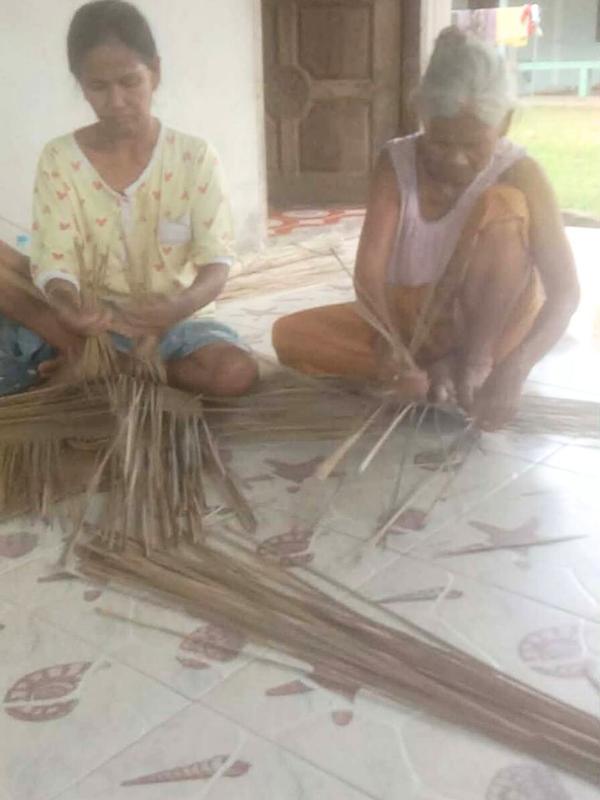
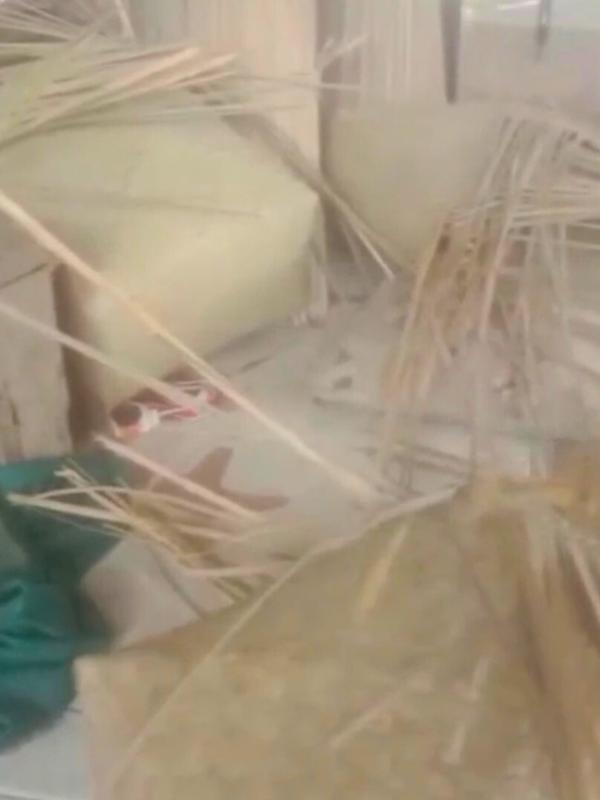
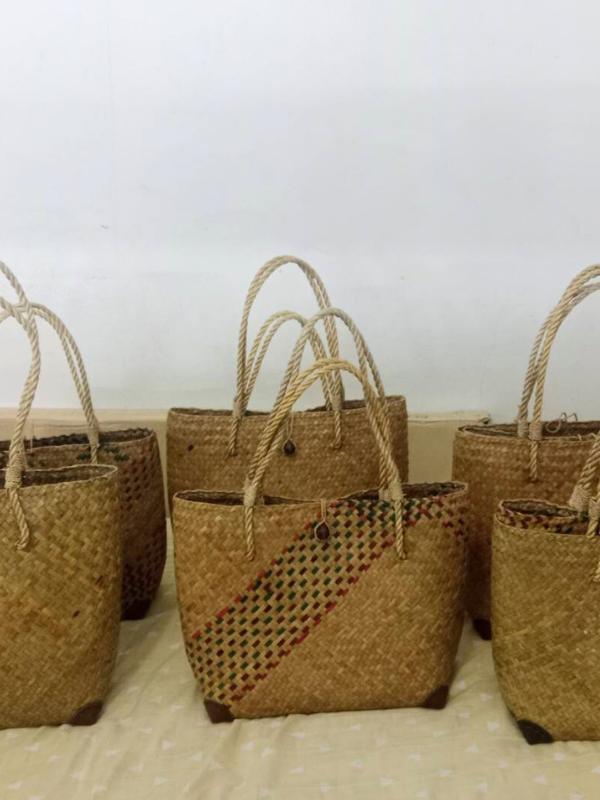
On the mainland, in a small village not far from Samui Island, Phanchaya’s mother and sister weave each bag by hand from fine Krajood seagrass — following techniques passed down through generations.
They work with both hands and feet: holding the weave steady with one foot while their hands move with impressive speed and precision. The process is focused, practiced, almost meditative.
Watching them is quietly mesmerizing. Deep concentration, skilled routines, and those brief moments when they look up with a shy, proud smile — not used to being filmed, yet open to sharing their craft.
Authentic family work
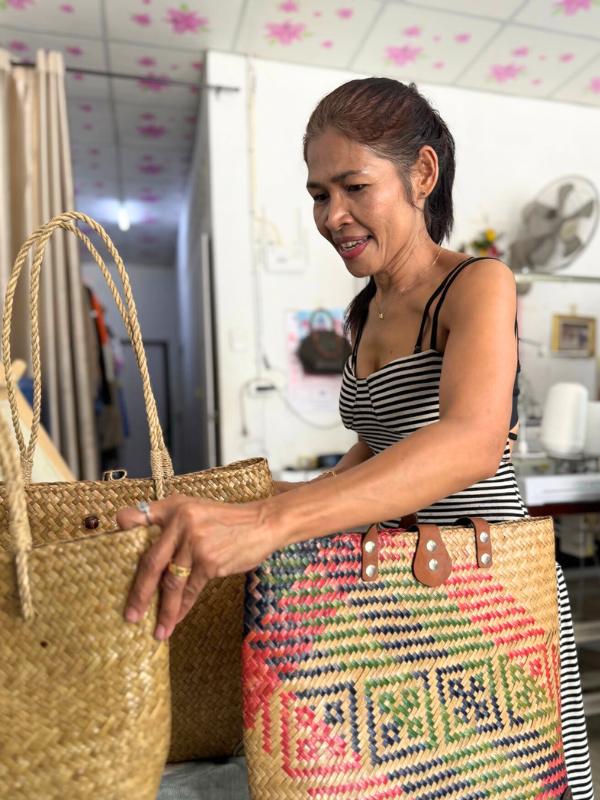
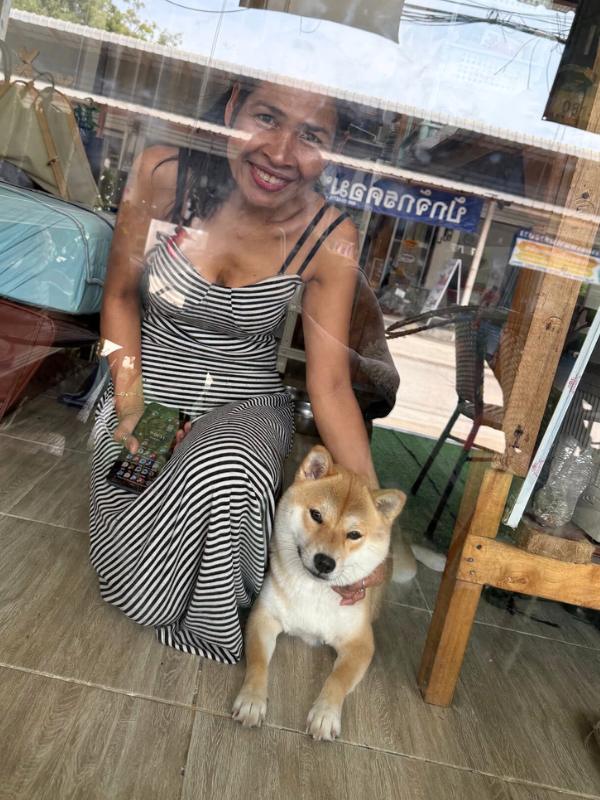
Once finished, the bags travel to Koh Samui, where Phanchaya lives. She runs a small sewing studio and distributes the woven pieces made by her family, adding her own careful selection and finishing touches. Each bag carries a sense of home — and the calm, grounded spirit of Southern Thailand.
The boho-beach character of these bags isn’t a trend. It’s a natural result of material, place, and tradition — woven into every line.
Our first pieces sold out quickly. More are already on their way!