21 Jun Gifts for People Who Love Other Cultures – and the Real Makers Behind Them
Looking for a gift for someone who loves other cultures, travels with their eyes open, or just lights up at anything from a faraway place? Here’s what we believe: the best gift for a culture lover isn’t a souvenir of a place — it’s something actually made in one, by a person you can name. Where to find those, and how to tell the real thing from the mass-produced version?
What makes a "cultural gift" actually meaningful
Most “global” or “cultural” gifts you’ll find online are made nowhere in particular. A factory prints a pattern, slaps on a label, and calls it heritage.
A real one is different in a way you can usually feel before you can explain it. It was made by hand, by a specific person, using a technique their region has used for generations. There’s a name behind it. Often a small workshop, a family, a craft that’s slowly disappearing and someone stubborn enough to keep it alive.
That’s the difference between “a thing that looks cultural” and “a thing that carries a culture”. The second one is the gift worth giving — and the one a culture lover will actually keep.
So how do you find them without flying around the world yourself? You find people who already did.

Four handmade gifts from real makers (and the stories that come with them)
These are pieces we found ourselves — we met the makers, we know their names, and in most cases we have their whats app or LINE 😉 None of this is mass-produced. Here’s what to give, and who’s behind it.
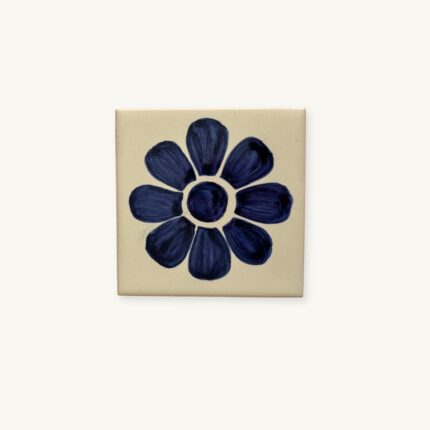
For the friend who loves Portugal: hand-painted azulejo tiles
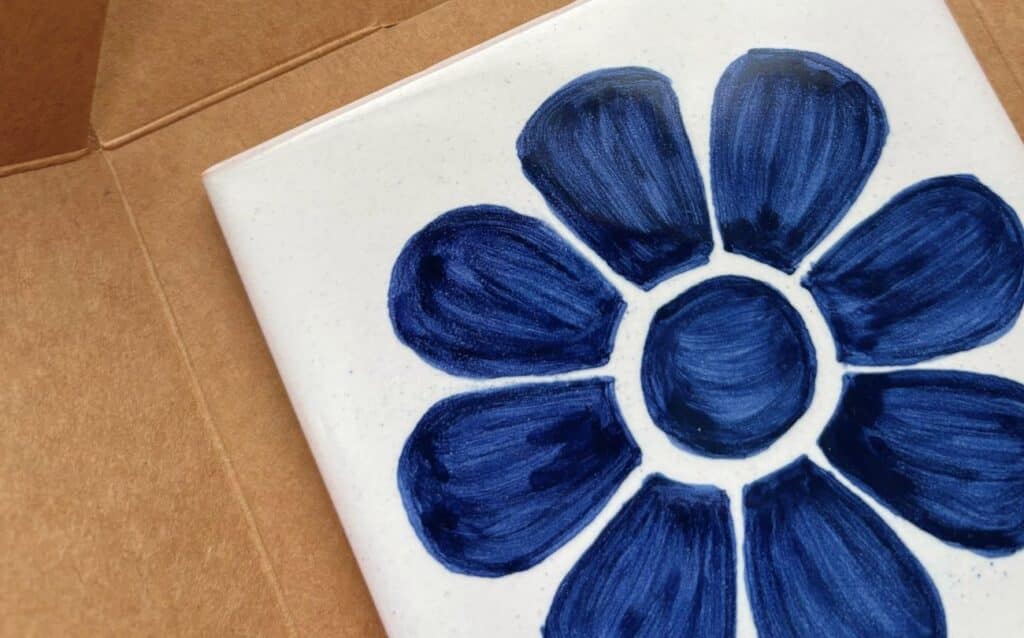
In a small shop in the Minho region of northern Portugal, a woman named Maribel hand-paints traditional azulejos — the blue-and-white tiles you see on Portuguese walls and churches. She’s Cuban, an outsider who took over a fading craft in a small village and kept it going, one painted tile at a time.
A single framed tile, or a set of cork-backed tile coasters, is the kind of gift that sits on a shelf for years and still gets asked about. It’s a piece of Portugal made by an actual hand, not a printed copy of one.
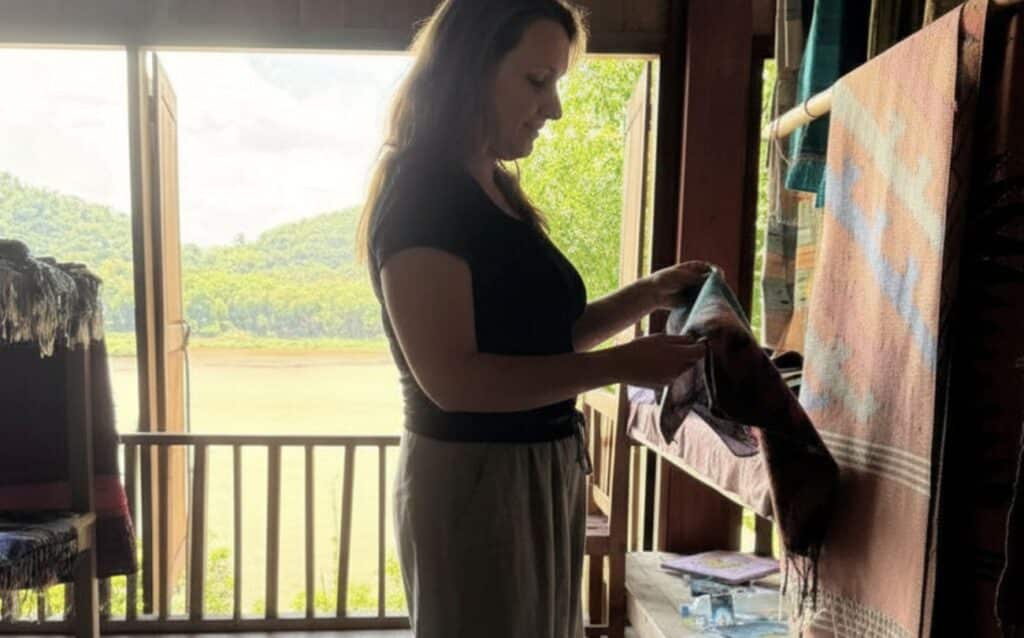
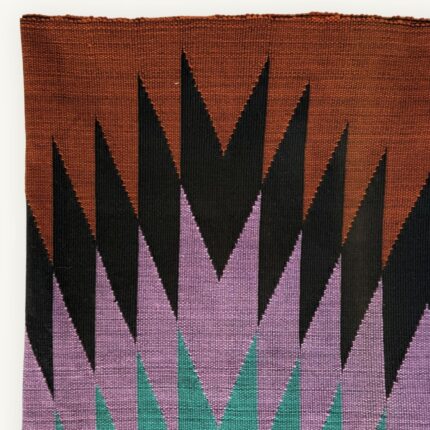
For the textile lover: a handwoven scarf from Thailand or Laos
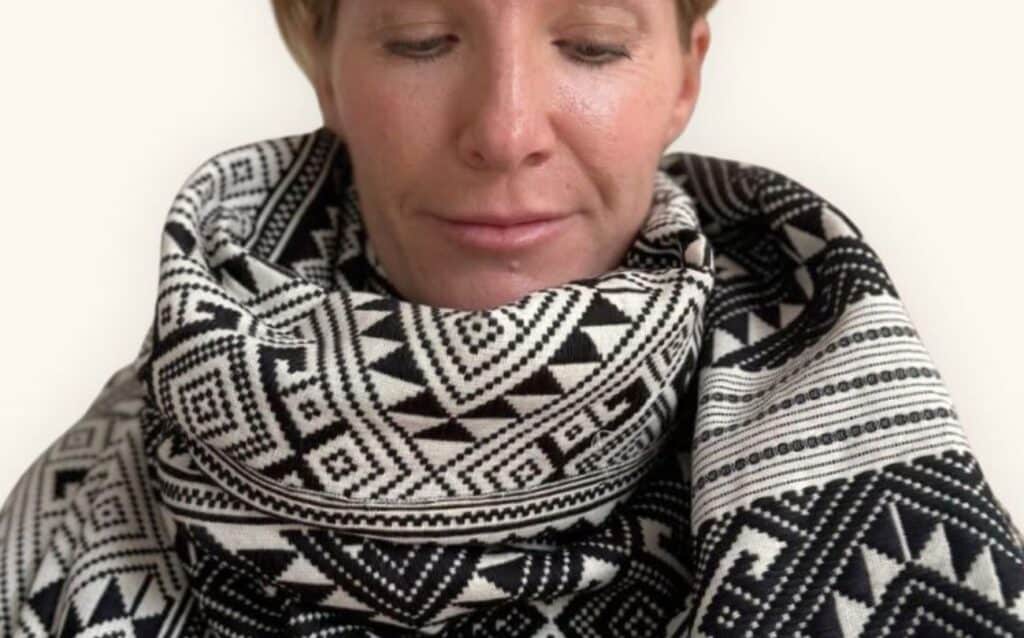
In the northeast of Thailand and in weaving villages along the Mekong in Laos, women still weave by hand on looms their grandmothers used. The patterns aren’t decoration — they’re a kind of language, passed down through generations. Each scarf takes days.
You’ll find similar textiles, imitations included, in markets across Southeast Asia. What you won’t easily find is the person who made this particular one — which is the part that makes it a gift and not just a thing.
→ A good pick for: people who love textiles, slow fashion, or anything handwoven and one-of-a-kind.
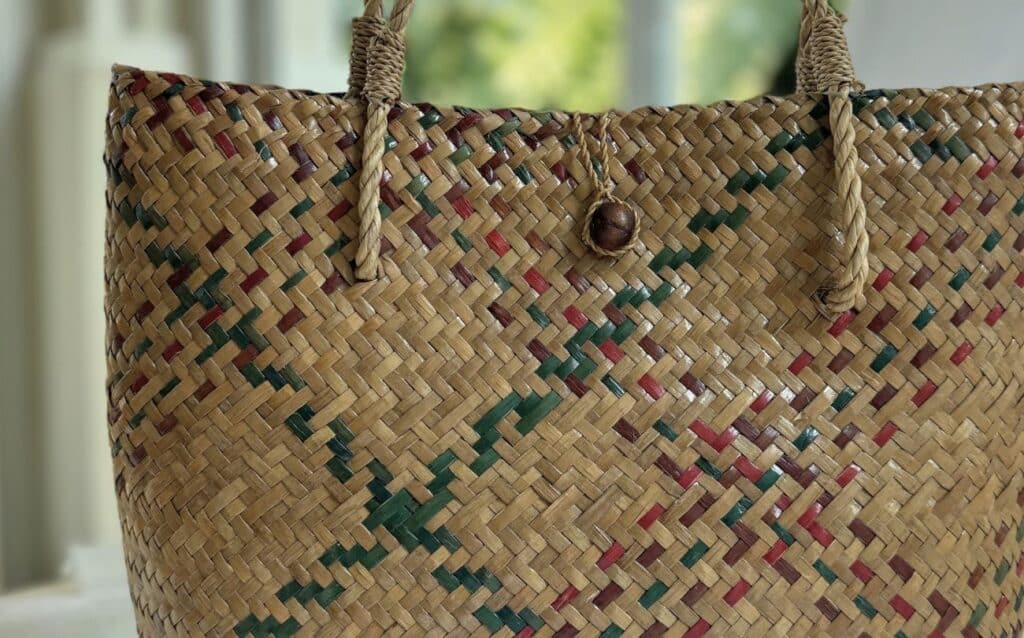
For the one who loves natural, earthy things: a woven krajood bag
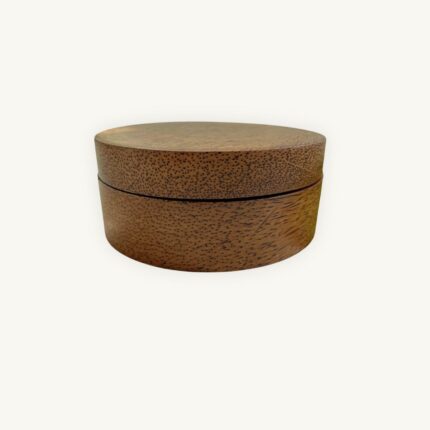
Krajood, a type of grey sedge, grows fast and wild in Thailand’s waterways and wetlands. In the right hands it becomes something useful and beautiful: bags, baskets, boxes, all woven by hand. Phanchaya’s mother is one of those hands, turning a local plant into pieces that last for years.
A woven bag or set of storage boxes is the rare gift that’s both practical and quietly special. It’s the kind of thing that makes someone’s home feel a little more intentional.
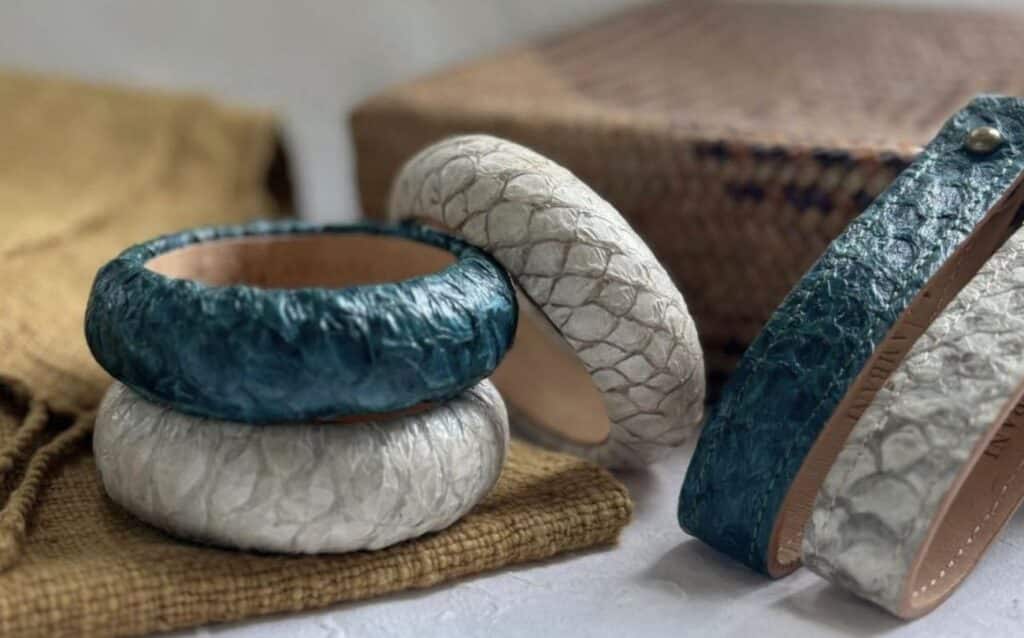
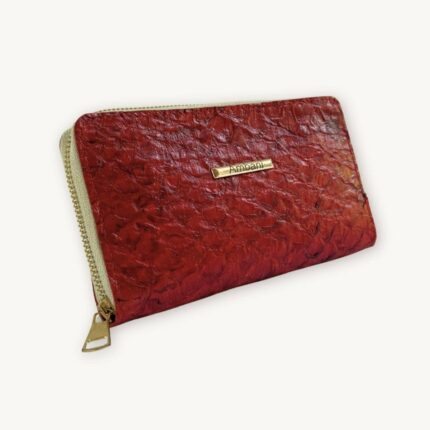
For the one drawn to far-off places: fish leather jewelry from Kenya
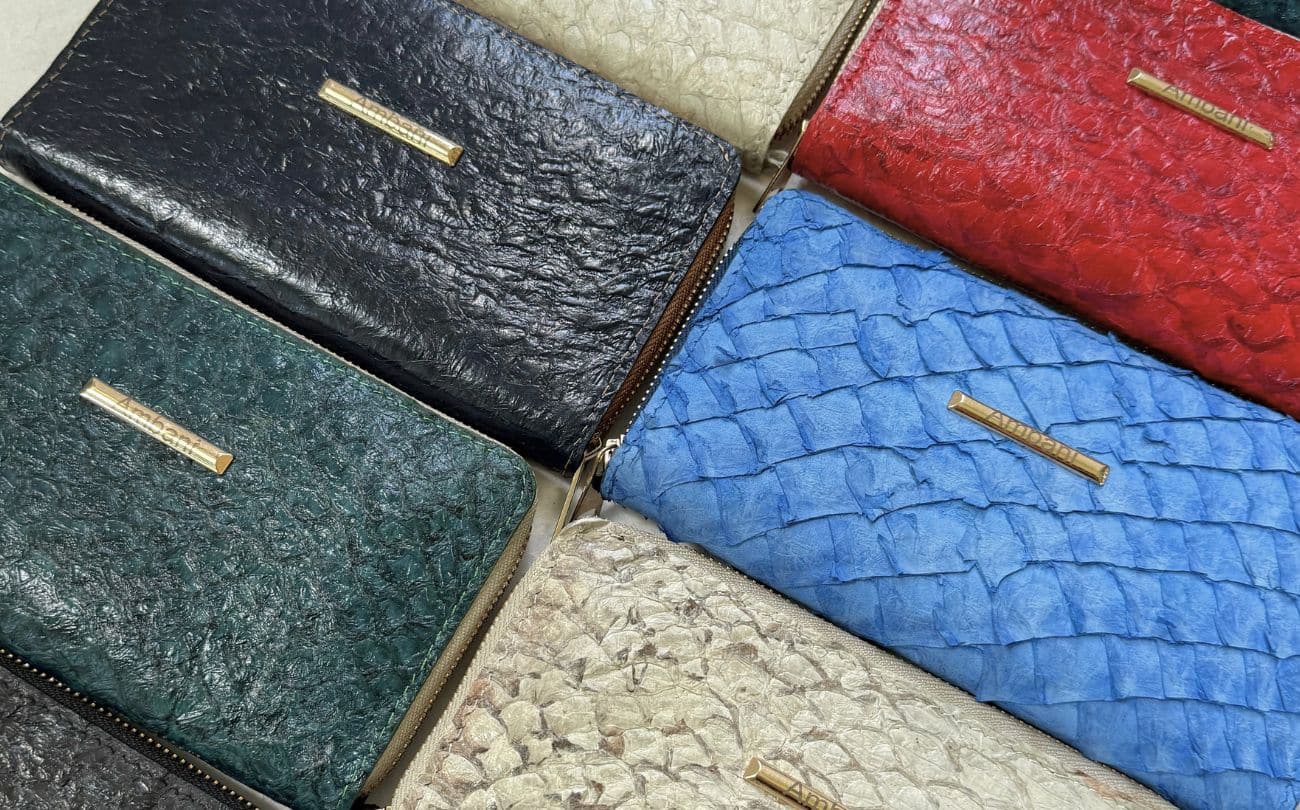
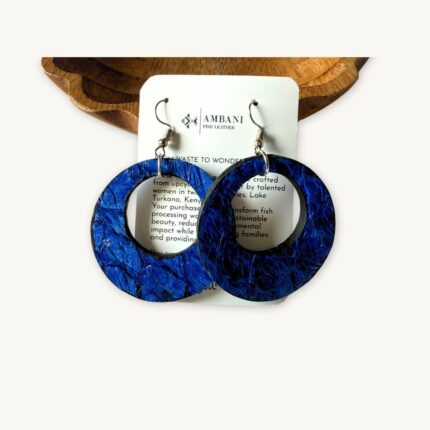
On the shores of Lake Turkana in northern Kenya, a women-led workshop turns Nile perch leather (yes, fish leather) into earrings, bracelets, and keychains. It’s an unusual material with a real texture and a real story, made by women building something of their own.
Fish leather jewelry is genuinely hard to find, and almost nobody expects it. That’s exactly why it lands as a gift: it starts a conversation the moment it’s unwrapped.
→ A good pick for: lovers of unusual jewelry, statement pieces, or anyone fascinated by Africa.
How to spot the real thing (a quick checklist)
When you’re shopping for a culture lover, look for these signs that a gift is genuinely handmade and not just dressed up to look that way:
– There’s a name. You can find out who made it, where, and how. Vague “ethically sourced from around the world” with no specifics usually means no one in particular.
– The technique is named. Hand-painted, handwoven, hand-dyed — and ideally tied to a real region and tradition.
– It isn’t perfect. Genuine handmade pieces have small variations — a slightly uneven edge, a color that shifts a little. That’s the maker’s hand showing, and honestly, it’s the best part.
– The story checks out. A real maker has a real place, a real craft, often a real struggle to keep it alive. If the “story” is generic, it was written by marketing, not lived.

Where to find them
Every piece above is one we found in person and brought into our shop. We live between Thailand and Spain, so a lot of this is closer to us than it might sound — we travel, we meet the makers, we learn the craft behind the object, and then we bring it home so you don’t have to fly to Lake Turkana to find it.
If you’re shopping for someone who loves other cultures, that’s the whole idea behind what we do: real pieces, from real people, with the story still attached.
You can find our curated pieces here or on Etsy – Marketplace.
Curated by So Rare Pieces – Rare Finds. Real People.


No Comments